
I’ll never forget the sinking feeling in my stomach when I realized I’d just burned through my client’s entire quarterly budget on ‘prestige’ guest posts that did absolutely nothing for their local rankings. I was chasing the big fish—national tech blogs and high-DA lifestyle sites—thinking that ‘authority’ was a universal currency. It isn’t. Not in the world of local SEO. I was effectively trying to prove I was a local leader by getting a shout-out from someone three states away. It was a classic rookie mistake, and it taught me that why your neighborhood links carry more weight isn’t just a theory; it’s the law of the land. Today, I’m going to show you exactly how to tap into one of the most overlooked, high-trust sources of local power: your neighborhood historical society.
Why Your Town’s History is Your SEO Secret Weapon
The turning point for me happened when I stopped looking at metrics like Domain Rating and started looking at ‘Geographic Trust.’ I noticed that the businesses consistently winning the Map Pack had something in common: they were mentioned on sites that were deeply rooted in the city’s identity. Historical societies are the gatekeepers of that identity. They often hold .org or .edu domains that have been active for decades. When you get a link from a site that has been talking about your specific zip code since the internet began, Google takes notice. I’ve seen building backlinks for local authority become ten times easier once you stop fighting for national attention and start proving your local ‘entity’ status. It’s about building a digital footprint that screams, ‘I am a part of this community’s story.’
Is an old museum website actually worth the effort?
You might be thinking that a site with ten visitors a month won’t move the needle. I used to think the same thing. I figured if there wasn’t a ton of referral traffic, the link was useless. But Google’s local algorithm isn’t just about traffic; it’s about context. A link from your local history museum is a massive ‘geographic anchor’ for your site. According to research by Moz, the proximity and relevance of the linking domain are often more critical than its raw power. Have you ever felt like you’re doing all the right SEO things but still getting outranked by ‘mom and pop’ shops with ancient websites?
Ditch the Generic Outreach for Something That Actually Sticks
My early outreach emails were terrible. I’d send these canned templates asking for a ‘mutually beneficial partnership.’ They went straight to the trash. It wasn’t until I started offering to help digitize old records or sponsor a local ‘Then and Now’ photo series that the doors swung open. By shifting my focus, I mastered backlinks mastery in a way that my competitors couldn’t touch. These links are hard to get, which is exactly why they are so valuable. They are the ultimate moat for your local business. We’re going to dive into the exact steps to find these societies and, more importantly, how to talk to them so they actually want to link to you.
Find the Gatekeepers of Your Town’s Digital Past
Identifying these organizations is the first hurdle. Most of these societies don’t have an SEO team; they have a dedicated volunteer who loves old ledgers and neighborhood history. You need to look for untapped neighborhood links your competitors missed by searching specifically for your county name followed by terms like ‘historical archive,’ ‘heritage society,’ or ‘preservation trust.’
Search Beyond the First Page
Don’t just click the first result. The most powerful links often come from the societies that are so busy archiving the 1800s that they haven’t updated their homepage in a decade. Think of these links like a handwritten letter of recommendation from the town’s oldest, most respected resident—Google treats that ‘geographic age’ as pure gold. 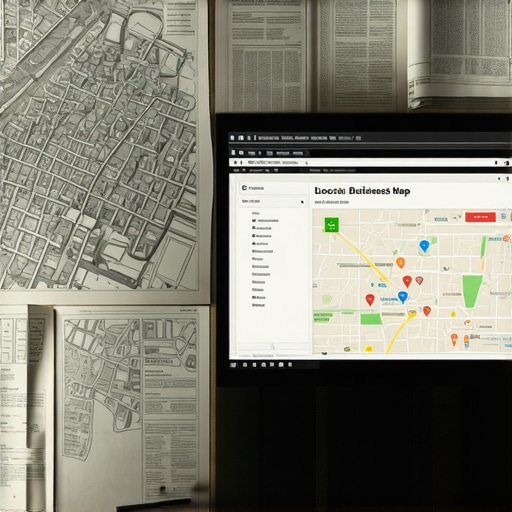
Make an Offer They Can’t Ignore
Most local business owners fail because they treat these non-profits like a generic directory. They send a cold email asking to be ‘added’ to a list. That is why most small businesses get local backlink outreach wrong. They forget that these societies are usually underfunded and over-worked. I remember working with a local plumber who was getting crushed by a national franchise. We reached out to the local maritime museum—a tiny .org site with a massive historical footprint. Instead of asking for a link, we offered to sponsor a high-res scan of their 1950s harbor map collection.
Help Them Preserve What Matters
By paying for the digitization of a few dozen photos, we became a ‘Digital Preservation Partner.’ They didn’t just give us a link; they created a dedicated ‘Thank You’ page that chronicled our contribution to the town’s history. This gave us a high-trust anchor that a franchise could never replicate. Check for neighborhood resource lists or ‘Local History Supporters’ pages on their site where your business can live permanently.
Turn One Link into a Local Authority Stack
Once you secure that high-trust .org link, don’t just walk away. This is where authority stacking becomes your unfair advantage. You want to point that historical society link toward your most important local landing pages. You can use local resource pages for high power map links by creating a ‘History of Our Neighborhood’ page on your own site and getting the society to reference it as a modern supplement to their archives.
Connect the Dots for the Knowledge Graph
This creates a loop of relevance that Google’s algorithm loves because it sees two local entities validating each other. To make it even stickier, I always recommend using the specific schema move to explicitly tell Google that your business is located in the same geographic area mentioned in the historical archive. This isn’t just about ‘getting a backlink’; it’s about embedding your business entity into the very fabric of the city’s digital record.
But here is where things get messy and where most ‘experts’ get it wrong. The standard SEO playbook says that more links from higher authority domains equals better rankings. In the world of the local Map Pack, that is a dangerous oversimplification. I’ve seen businesses with hundreds of high-DR guest posts get absolutely smoked by a competitor with ten links from local charities and historical archives. This happens because of a massive nuance most people miss: Geographic Proximity is its own form of authority.
The local authority trap that sinks even the best campaigns
Everyone says you need a diverse link profile, but in my experience, a ‘diverse’ profile that lacks a local heartbeat is just noise. The common myth is that a link from a national tech blog is a universal win. However, if you are a plumber in Des Moines, a link from a San Francisco-based tech site does nothing to prove your ‘entity’ belongs in a Des Moines search result. This is why Google ignores your backlinks when the context doesn’t match the location. You end up building an ‘authority island’ that has no bridge to your physical storefront.
How can you tell if your authority stack is actually confusing the algorithm?
The ‘Oops’ factor usually hits when you start authority stacking strategies to dominate local search without a local anchor. If you build five powerful cloud nodes but don’t connect them to a local geographic signal, Google’s Knowledge Graph treats them as generic information. You must avoid the hidden danger of cheap link packages that promise high DA but offer zero local relevance. A recent study by Whitespark highlights that local relevance and citation consistency are far more predictive of Map Pack success than raw link volume. If your link profile looks like a map of the entire country instead of a map of your city, you’re triggering spam filters, not trust signals.

Connect the dots to build a bulletproof entity
The secret is in the connection. You need to know how to build an authority stack that doesn’t get flagged by ensuring every node points back to a ‘local proof point.’ This could be a neighborhood resource list or a local news mention. I’ve found that the best way to verify your stack is working is to check your ‘brand + city’ search results. If your authority nodes aren’t showing up alongside your main site, the connection is too weak. You aren’t just building links; you are building a digital map that leads directly to your door. Have you ever fallen into this trap of chasing big metrics while ignoring the local context? Let me know in the comments.
Once you have moved past the initial hurdle of avoiding low-quality links, the real challenge begins: keeping that momentum alive. I have seen too many campaigns flourish for three months only to wither because the owner treated their digital footprint like a static billboard instead of a living ecosystem. To prevent this, I rely heavily on specific tools that show me the ‘why’ behind the ‘where.’ My go-to is Local Falcon because it provides a visual geo-grid of rankings. Seeing a red dot turn green in a specific neighborhood tells me exactly where my authority stacking strategies to dominate local search are actually taking root. If you are not looking at your ranking data through the lens of physical proximity, you are essentially flying blind. I also use Screaming Frog with a custom regex filter to periodically audit my cloud nodes, ensuring that none of my high-power anchors have succumbed to link rot. This proactive approach is the core of backlink optimization tips for local seo authority that actually move the needle over the long haul.
How can you keep your authority stack alive for years?
Maintenance is not about adding a hundred new links every month; it is about reinforcing the nodes you already have. Every quarter, I go back to my strongest local anchors—like those historical society links or neighborhood resources—and update the content. I might add a new ‘then and now’ photo or a fresh quote from a community leader. This ‘content freshness’ signal tells Google that the relationship between your business and the community is still active. If you ignore this, you risk a stagnant profile, which often requires a specific move to restore authority to a stagnant map pin later on. You should also be vigilant about your schema; I highly recommend following the technical insights from Joy Hawkins at Sterling Sky, who frequently documents how specific local entity changes can trigger immediate shifts in Google’s perception of a business. 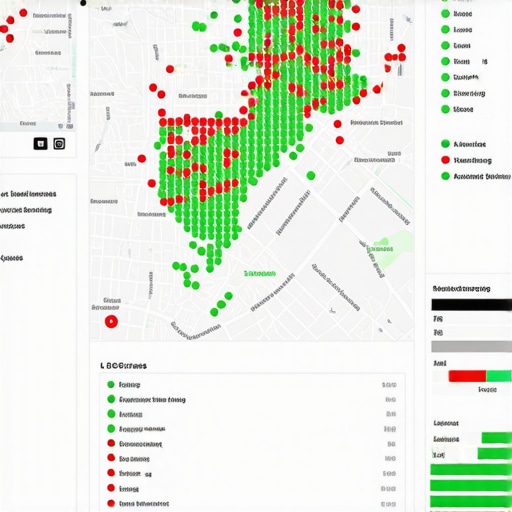
Extend your reach to the next zip code without losing power
If you are ready to grow, you have to master the art of the multi-region approach. For clients who operate in several different suburbs, I utilize the authority stack logic for multi-region service brands. Instead of building one giant, confusing stack, I build ‘satellite nodes’ for each specific service area. These satellites are then anchored back to the main brand via hyper-local mentions. This is the specific move for scaling map ranks in large cities that allows you to dominate multiple map pins without triggering proximity filters. Looking ahead, I predict that Google’s Search Generative Experience (SGE) will place even more weight on these verified local entities. The days of ‘tricking’ the algorithm with volume are over; the future belongs to those who can prove they are a permanent fixture in their city’s digital record. To get started right now, I want you to find one local association or non-profit you already support and ask them for a ‘Partner’ mention on their high-authority .org site. It is the single fastest way to anchor your stack in reality.
Hard Lessons from the Local SEO Trenches That Changed Everything
Reflecting on my journey, I realized that true authority isn’t about how loud you shout; it’s about who vouches for you nearby. I used to think I could trick the system by over-optimizing content, but I learned why your on-page keyword density is hurting your local rank when you ignore the natural flow of human language. Real success came when I stopped looking for shortcuts and started looking for geographic anchors. Another lightbulb moment was realizing that a single link from a local historical society carries more weight than fifty generic blogs because it establishes your entity in a way an algorithm cannot ignore. This is essentially authority stacking unveiled—it is about layering local relevance until your business becomes the obvious choice for search engines. I also discovered that patience is a local SEO superpower; building these relationships takes time, but once that bridge is built, it is incredibly difficult for a national competitor to burn it down. #IMAGE_PLACE_HOLDER_E#
My Go-To Resources for Building Hyper-Local Trust
To stay ahead of the curve, I rely on a few specific pillars. First, I always keep an eye on Sterling Sky; Joy Hawkins and her team are the gold standard for testing what actually moves the needle in the Map Pack. Second, if you have been burned by poor quality services in the past, you must learn how to fix your local backlink profile after a bad agency before you start building new stacks on a shaky foundation. Third, I highly recommend Whitespark’s research on local ranking factors, as it helps me prioritize tasks that offer the highest ROI for my clients. These tools, combined with consistent backlink optimization tips for local seo authority, ensure your digital foundation is unshakeable.
Own Your Town’s Digital Future Today
Your business is more than just a pin on a map; it is a vital part of your community’s story. By reaching out to historical societies and neighborhood leaders, you are not just doing SEO—you are securing your legacy in the city you serve. Do not wait for the algorithm to change or for a new competitor to move in. Start building those local bridges today to ensure your business thrives regardless of what the digital landscape looks like tomorrow. Have you ever tried reaching out to a non-traditional local organization like a museum or historical society for a link, and what was the response? Let me know in the comments below.