I spent three hours last night scrolling through Yelp, and honestly, it made my stomach churn—not from the food photos, but from the realization that most restaurant owners think these reviews are the only way to get noticed by Google. The air in the kitchen of my friend’s bistro was thick with the smell of roasted garlic, but the dining room was ghost-town quiet. He was staring at his phone, waiting for a ‘local guide’ to post a photo of his tacos. It was painful to watch. He thought he was at the mercy of every person with a smartphone and an opinion. That night, I realized we had to stop begging for reviews and start building a digital foundation that Google couldn’t ignore. Today, I am going to show you how to build a moat of authority around your restaurant using links that have absolutely nothing to do with whether your sauce is too salty or your decor is ‘mid.’ We are going to stop chasing critics and start owning the local search results.
Why Local Relevance Beats a Five-Star Review Every Time
When I first jumped into the world of local SEO, I made a massive mistake that I still cringe about today. I thought I could just buy a bunch of generic directory listings and call it a day. I spent weeks filling out forms, thinking volume was the key to victory. It was a disaster. My client’s map pin stayed buried on page four while their competitors—who had half the reviews—were busy taking all the reservations. It turns out that Google cares way more about how deeply your business is rooted in your specific community than it does about a shiny badge from a national site. According to the 2023 Local Search Ranking Factors survey by Whitespark, local link signals remain one of the most influential factors for ranking in the Map Pack, often carrying more weight than the sheer number of reviews you have. This is why why your neighborhood links carry more weight than national PR. You need a strategy that proves you are a local fixture, not just a place that sells food. Have you ever felt like you’re held hostage by the review sites just to stay visible?
Is it actually possible to outrank the big chains without a PR team?
The short answer is yes, but you have to change your approach. You need to focus on the neighborhood link loop that puts your map pin first. This involves looking for opportunities right in your backyard that the big corporate chains are too busy to notice. By following specific backlink building blueprints, you can secure mentions from local charities, neighborhood associations, and even high school sports teams. These aren’t just ‘nice things to do’—they are powerful signals to search engines. When you use high-authority neighborhood links, you are telling Google exactly where you are and who you serve. This creates a level of trust that no food blogger’s Instagram story can ever match. We are setting the stage to move your restaurant from the shadows into the spotlight.I once worked with a small bakery that was getting absolutely buried by a massive grocery store chain. Every time someone searched for ‘sourdough near me,’ the corporate giant took the top spot. We didn’t focus on getting more reviews. Instead, we used proven backlink techniques to dominate local search by reaching out to a local history blog. By getting a feature about the bakery’s 50-year-old starter, we secured a link that told Google exactly where this business stood in the community’s timeline. Within weeks, they weren’t just on the map—they were the top recommendation.
Ditch the Generic Directories for Neighborhood Handshakes
The biggest mistake I see is thinking that a link from a national directory is the same as a link from your local library. It’s not. Google sees the local library link as a validation of your physical presence. When you follow specific backlink building blueprints for local SEO success, you realize that a mention on the local little league site is worth ten mentions on a generic ‘best business’ site. This is the heart of the neighborhood link loop that puts your map pin first. You want to find entities that are geographically ‘locked’ to your city. 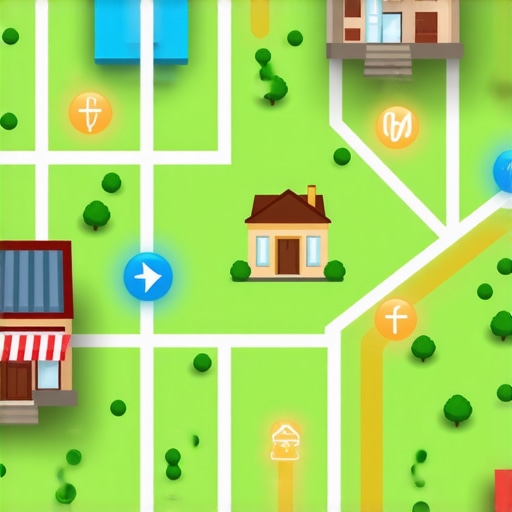
Connect Your Digital Assets to Build a Solid Foundation
You can’t just have random links floating around; they need to work together. This is where authority stacking strategies to dominate local search come into play. Think of it like building a house. Your website is the foundation, but your Google Business Profile, your social media, and your local mentions are the walls and roof. If they aren’t connected, the house collapses. You need to learn how to build an authority stack that Google actually trusts by ensuring your Name, Address, and Phone number are consistent across every single one of these local ‘handshakes.’ I’ve seen businesses jump three spots in the map pack just by syncing their local charity mentions with their main profile.
Feed Google the Context It Actually Wants
Google is a pattern-matching machine. It wants to see that you are relevant to the searcher’s specific area. To do this, you must learn how to use geo-relevant content to anchor your authority stack. This means your site shouldn’t just talk about ‘tacos’; it should talk about tacos served three blocks away from the historic downtown fountain. By using the hidden move to build local authority with neighborhood blogs, you can place your business in the middle of local conversations. I once helped a landscaping firm that was struggling to rank in a wealthy suburb. We stopped writing about generic grass and started writing about grass types specific to that neighborhood. We paired those articles with why high-quality backlinks from local charities beat national media, specifically a link from the local garden club. The proximity signal was so strong that Google had no choice but to move them to the top. This isn’t about gaming the system; it’s about providing the local evidence that search engines crave.
Let’s dig deeper into why the standard SEO advice you read on most blogs is actually a death sentence for local businesses. Everyone tells you to chase ‘high authority’ links. They want you to get a mention on a big national tech site or a massive news conglomerate because the Domain Authority (DA) is through the roof. But here is the contrarian truth: Google’s local algorithm doesn’t care about the fame of your link; it cares about the proximity and context of that link. I’ve seen businesses with DA 80 profiles get crushed in the map pack by a local plumber who only had five links, but those links came from the neighborhood community center, a local hardware store, and the city’s annual chili cook-off page.
The vanity metric that keeps small businesses off the map
The biggest mistake is obsessing over third-party metrics like DA or DR instead of focusing on backlink optimization tips for local SEO authority. When you prioritize national reach over local relevance, you’re essentially telling Google you’re a global entity, not a local one. This dilutes your ‘locality’ signal. According to a recent study by BrightLocal on local search ranking factors, ‘local relevance’ is increasingly becoming a primary driver for the Map Pack, often outweighing traditional authority signals. If your links aren’t anchored in your city, your map pin stays stationary.
Can a single link from a local church bulletin really beat a national news mention?
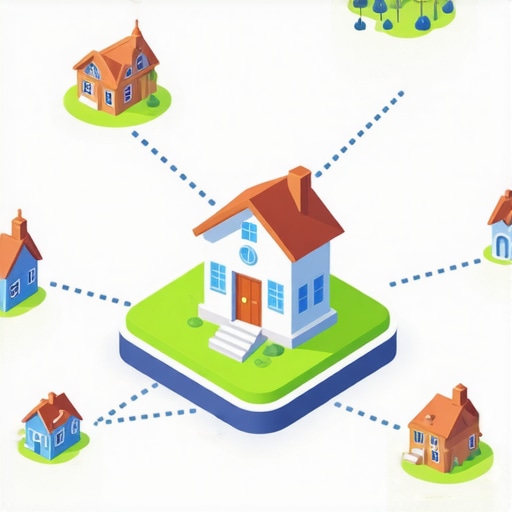
In the world of local search, the answer is a resounding yes. This is because of the authority signal most local SEOs completely forget: geographic co-occurrence. When your business name and address appear on a site that Google already knows is 100% tied to your town, it creates a ‘hyper-local’ bond. This is why I always recommend the neighborhood association links that force local wins. They might have ‘low’ authority scores on a SEO tool, but in Google’s local knowledge graph, they are pure gold.
Why your current stacking strategy might be confusing Google
Here is the ‘Oops’ factor most people fall into: they think authority stacking is just a pile of links. If you build a stack but fail to connect the nodes correctly, you end up with why your authority stacking fails to connect the dots for Google. You’re building a puzzle where the pieces don’t fit. Another dangerous trap is the use of bulk, automated citation services. This is why your citation strategy is actually hurting your map rank; if these services push out inconsistent data, Google’s trust in your location drops instantly. It’s better to have ten perfect, hand-built links than a thousand messy ones that trigger spam filters. You need to understand that authority stacking is the game changer in local SEO only when it reinforces a single, clear identity. Have you ever fallen into this trap of chasing quantity over quality? Let me know in the comments.
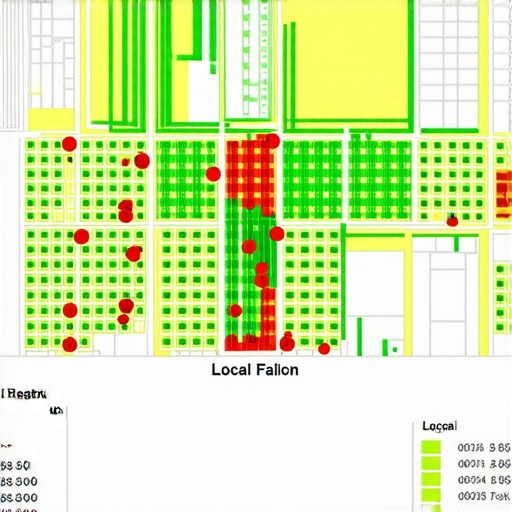
Maintaining that top spot isn’t just about the initial push; it’s about preventing digital decay. I use Local Falcon religiously to see exactly where my client’s ‘coverage’ drops off. It’s a grid-based heat map that shows you where you’re winning and where you’re invisible. If I see a red spot three miles north, I know I need to find a local link in that specific zip code. Most people look at their rankings once a month and wonder why they’ve vanished. You have to realize that your map tracking strategy is likely missing key data points if you aren’t looking at proximity-based results. I’ve seen businesses plummet because they ignored a new competitor three blocks away who was aggressively building authority stacking strategies to boost local SEO in 2025.
How do I keep my local authority from fading away?
The secret isn’t more links; it’s consistent local activity. Think of your authority stack like a garden. If you don’t water it with fresh mentions, it withers. I personally set aside one hour every Tuesday to check for new local sponsorship opportunities. For example, the strategic use of local sports team sponsorships for SEO rank isn’t a one-time tactic; it’s a recurring signal that tells Google you are still active in the community. You should also be using tools like PlePer to audit your Google Business Profile categories against the leaders in your market. If you see a shift, you must act fast. You need to know how to fix a local ranking drop before your client notices, or before your phone stops ringing. This proactive maintenance is what separates the veterans from the amateurs.
As we look toward the future, the ‘Entity’ era of SEO is taking over. Google isn’t just looking for keywords; it’s looking for proof of existence. Expert Joy Hawkins from Sterling Sky has often highlighted that ‘Google is increasingly leveraging real-world data and user behavioral signals to verify a business’s local prominence.’ This means that in the next two years, advanced authority stacking tactics will need to include more video and social proofs that are geographically tagged. I predict that Google’s Search Generative Experience (SGE) will prioritize businesses that have the most ‘interconnected’ local presence—meaning your website, your social, and your local news mentions must all point to the same undisputed fact: you are the authority in your town. Stop trying to trick the algorithm and start becoming a literal landmark in your city’s digital map. My challenge to you: Find one local non-profit this week and offer a small sponsorship in exchange for a link on their ‘Partners’ page. It is the single fastest way to inject fresh local juice into your stack and prove to Google you aren’t just a digital ghost. It’s time to move beyond the basics and start mastering authority stacking for elevated local rankings.
The Brutal Truth About Why Most Local Authority Stacks Crumble
Over the years, I’ve realized that the biggest barrier to success isn’t a lack of tools; it’s a lack of focus. I used to think I needed every link in the world, but I quickly learned why your backlink building technique is triggering spam filters when you try to force growth too fast. The ‘lightbulb moment’ for me was realizing that Google doesn’t reward the loudest business; it rewards the most entrenched one. You have to understand the hidden reason your cloud stacks arent transferring pagerank, which is often a lack of thematic relevance to your city. My advice? Stop looking at the global internet and start looking at the three-mile radius around your front door. That is where the real power lies.
My Daily Toolkit for Keeping the Competition in the Rearview Mirror
I don’t believe in using a hundred different apps. I keep it lean. I rely on Local Falcon for my weekly proximity check-ins and PlePer for category analysis. But more importantly, I follow the local seo checklist for new service based businesses to ensure I never miss a foundational step. I also keep a physical list of local organizations I haven’t reached out to yet. If you want to scale, you need to be unlocking the power of authority stacking for top local seo results through manual, high-quality outreach that software simply can’t replicate. These tools provide the data, but your community presence provides the soul.
Stop Waiting for Permission to Rank
The map pack isn’t a gated community; it’s a meritocracy of relevance. You have the tools, the strategy, and the blueprints to change your business’s future starting today. By embracing backlinks mastery boost your local seo authority in 2025, you are building more than just a ranking—you are building a legacy that competitors can’t easily tear down. Don’t let your neighbor’s shop or the big corporate chain across the street own your digital space. Go out there and start how to use backlinks effectively to enhance local search presence by becoming a vital part of your neighborhood’s online ecosystem. Your future customers are searching for you right now; it’s time to make sure they find you first. What is the biggest hurdle you’ve faced when trying to get a link from a local business or organization? Let me know in the comments below!