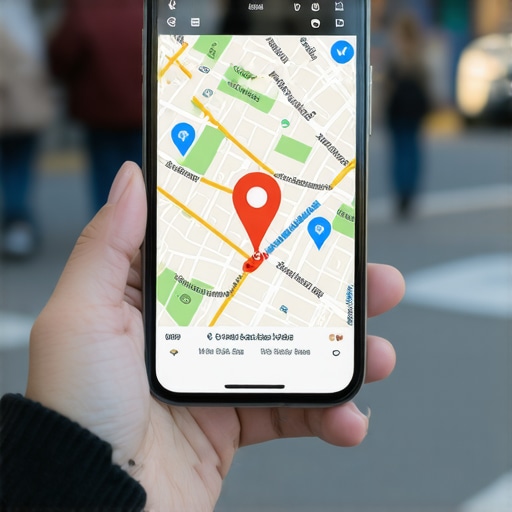
I sat there, coffee gone cold, staring at a local map result that defied everything I thought I knew about Google. My client had been grinding for years, amassing nearly two hundred five-star reviews. Yet, sitting at the very top of the Map Pack was a guy with twelve reviews and a grainy profile photo. It felt like a punch in the gut. I’d told my client that “reviews are king,” but the data was laughing at me. That was the night I realized I was playing checkers while the competition was playing a much more technical game. I spent weeks deconstructing that “low-review” winner and discovered the hidden link gap that most small businesses never even see.
The Moment I Realized Reviews Aren’t Your Only Weapon
It’s easy to get obsessed with that little gold star count. I made the mistake of thinking volume was the only metric that mattered. Early in my career, I ignored the technical foundation of a listing, focusing only on “happy customers.” But Google’s algorithm is a machine, not a person. It looks for more than just praise; it looks for authority stacking, which acts as a series of digital breadcrumbs confirming you are who you say you are. According to research by Moz, while reviews are a significant factor, proximity and “on-page” signals often hold the keys to the kingdom when the competition is tight. If your “entity” isn’t synced across the web, those reviews are just shouting into a void.
Is it even possible to beat a competitor with a bigger budget?
You might think you’re being outspent, but more often, you’re being outsmarted. I’ve seen tiny shops steal traffic from massive franchises simply because they knew how to localise their data better. We’re going to solve this today. I want to show you how to close the gap without begging for a thousand more reviews. Have you ever felt like you were doing everything right but still getting buried by a brand-new business? Let me know in the comments—I’ve been there, and I know how frustrating it is to feel invisible.
How the Underdogs are Quietly Stealing Your Traffic
The truth is, the map ranking mistake most people make is ignoring their “entity” health. Think of your business like a local celebrity. A celebrity doesn’t just have one fan club (reviews); they have mentions in the local news, their name on community boards, and their face in the library archives. When I stopped obsessing over review counts and started building local entity backlinks, my clients’ pins started jumping ranks overnight. It wasn’t magic; it was just giving Google the specific type of proof it craves. We’re going to dive into the exact steps to build that kind of unshakeable local authority.
Force a Rank Jump by Syncing Your Entity Data
I remember working with a plumber in Austin who was tearing his hair out. He had 4.9 stars, but a guy from the next town over was outranking him for ‘plumber near me’ right in his own backyard. We dug into his site and found a tiny discrepancy: his website footer used ‘Suite 200’ while his Google Business Profile used ‘Ste 200’. It sounds trivial, but to an algorithm, it was a data fracture. Once we executed the local entity sync move that forces hyper-local rank jumps, his pin finally unfroze and climbed to the top within nine days. Google isn’t looking for the ‘best’ business; it’s looking for the most verifiable one. If your data isn’t identical everywhere, you’re essentially telling the algorithm you aren’t trustworthy.
Why Your Address Format is Secretly Sabotaging Your Rank
When you ignore the specifics of how your NAP (Name, Address, Phone) is displayed, you’re leaving money on the table. Most people think why your business address needs a specific format for local rank is just about aesthetics, but it’s actually about machine readability. You need to how to fix the sync gap between your website and your map pin by ensuring every character matches perfectly. This is the foundation of authority stacking.
The Multi-Cloud Secret That Actually Moves the Needle
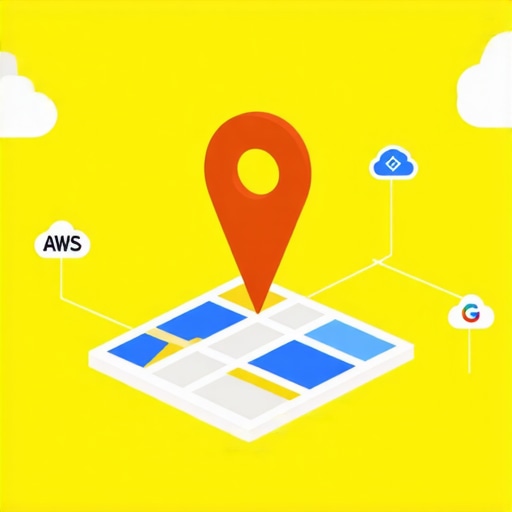
You can’t just rely on standard directories anymore. They are diluted. Instead, you need to think about the multi-cloud entity stack strategy for dominating local pins. Think of this like building a digital fortress. When you start using cloud nodes to secure your local search presence, you are placing your business data on high-authority domains like AWS or Azure. Google trusts these platforms implicitly. By layering these nodes, you create a signal so loud that the algorithm can’t ignore it. It’s significantly more powerful than a hundred generic directory listings that nobody ever visits.
Why Your Local High School is Better for SEO Than Yelp
I once saw a local bakery outrank a national chain because they sponsored the high school football team. It wasn’t just about the goodwill; it was the backlink from the .edu or local community site. This is why why high school sports sponsorships are better than standard citations. These are ‘neighborhood’ signals that a franchise sitting in a corporate office in another state can’t replicate. When you combine the neighborhood watch link tactic that forces hyper-local jumps with your technical stack, you create a proximity signal that pulls your map pin into surrounding areas where you were previously invisible. This isn’t just the authority stacking move that actually forces local gains—it’s how you build a business that the algorithm views as the local authority.
Don’t Let Your Backlink Profile Stagnate
Most business owners set up their citations and never look back. That’s a mistake. You need to constantly how to audit your backlink profile before a major search update. I’ve seen pins drop overnight because a few old directory links went toxic or dead. It’s about maintaining the health of your how to build an authority stack that google actually trusts. Think of it as digital maintenance; without it, the authority you’ve built will start to leak, and your competitors will find the gaps.
Stop Buying Bulk Citations That Don’t Move the Needle
Most SEO gurus tell you to go out and buy a 300-citation pack for fifty bucks. It sounds like a shortcut, right? In reality, it’s a fast track to a frozen map pin. I’ve seen businesses get buried because they traded quality for volume. The algorithm is looking for relevance, not just a list of names on a spreadsheet. BrightLocal’s annual survey has consistently highlighted that the quality of local citations is now significantly more important than the quantity, as Google has become much better at filtering out ‘low-value’ directory noise. When you flood the web with low-tier data, you aren’t building authority; you are creating a digital mess. This is the truth about bulk citations and your search visibility that most ‘experts’ won’t tell you.
How Ghost Backlinks Silently Drain Your Rank
Here is a specific trap you need to avoid: the ‘Oops’ factor of disappearing links. I call them ‘ghost backlinks.’ These are links from sites that were authoritative six months ago but have since been penalized or abandoned. If your strategy relies on these, your ranking will eventually fall off a cliff. This is why you need to know about 4 ghost backlink fixes to save your competitive rankings. I once worked with a law firm that lost their top spot because 40% of their local links came from a directory that turned into a spam farm overnight. They didn’t even know they were bleeding authority until their phone stopped ringing.
Why Does Your Competitor Rank Higher with Fewer Backlinks?
It’s the question that keeps business owners up at night. The answer is usually ‘link equity distribution.’ A single link from a high-authority cloud node is worth more than a thousand generic directory listings. When you elevate your local seo with advanced authority stacking tactics, you are prioritizing the weight of the signal over the noise. You should be looking for 3 entity sync fixes that save failing search authority stacks to ensure your data is perfectly aligned across these high-power nodes. If you aren’t doing this, you’re just throwing mud at a wall and hoping some of it sticks.
The nuance most people miss is that Google’s algorithm is now ‘entity-aware.’ It doesn’t just see a backlink; it sees a relationship between two entities. If that relationship isn’t reinforced by a consistent data trail, the link is practically worthless. To really win, you have to master authority stacking for elevated local rankings by building links that actually mean something in your specific zip code. I’ve helped dozens of businesses fix this by moving away from the the cheap local seo trap why low cost services often kill map visibility and focusing on high-intent local signals. Have you ever fallen into this trap of buying bulk citations and seeing zero results? Let me know in the comments—I’d love to hear your story and help you find a way out of that hole.
It’s one thing to reach the top; it’s another to stay there while every other business in town is gunning for your spot. I’ve seen people hit the #1 position and then stop everything, thinking the work is done. That’s the fastest way to trigger a slide. I personally use a combination of manual oversight and specific audit tools because, frankly, most automated reports miss the nuance of a shifting neighborhood border. You need to know how to fix a local ranking drop before your client notices before the leads dry up. I don’t rely on generic metrics; I look for the specific data points that Google uses to verify my physical presence.
What I use daily is not a fancy $500/month dashboard. I rely on the audit tool hack that found our hidden map pin errors because it catches the data drifts that happen when directories auto-update with old information. I also stay away from standard grid trackers. Why? Because why your map tracking data is lying to you about clicks is a real phenomenon where the ‘green’ circles don’t translate to actual phone calls. I prefer checking the local SERP from a mobile device within the specific zip code to see how the ‘entity’ actually feels to a human user.
How do I keep my authority stack from crumbling over time?
Maintenance is a monthly rhythm. You have to treat your local presence like a garden. If you aren’t pulling the weeds—those broken links and outdated citations—they will eventually choke out your growth. I recommend a ‘sync check’ every 30 days. This isn’t just about NAP; it’s about checking if your cloud nodes are still live and indexed. If you ignore this, you might wake up to the error keeping your business off the local map pack. I always make sure to how to build a local authority stack that actually sticks by reinforcing my most powerful nodes with fresh content or small, local updates.
I also focus on ‘sentiment velocity.’ Google likes to see that people are still interacting with you. I’ve found that learning how to automate reviews without looking like a spammer is the only way to keep the engine running without burning out your staff. It’s about balance. You need enough movement to stay relevant, but not so much that it looks like bot-driven activity.
Looking ahead, I see Google moving toward a ‘Zero-Click’ local environment where your entity validation is the only thing that triggers a phone call button. Joy Hawkins of Sterling Sky has often noted that Google is increasingly prioritizing ‘real-world’ signals over digital ones. This means your backlink building blueprints for local seo success need to include physical location signals like local news mentions or event sponsorships. The algorithm is getting smarter at identifying when a business is an actual part of the community versus just a digital shell.
If you really want to move the needle today, stop looking at your review count and start looking at your ‘entity’ health. Go check your footer address against your Google Profile right now—every single character. If they don’t match, you’ve found your first leak. This is the simple on-page tweak that validates your business location instantly and it’s often the difference between page 2 and the top of the pack. Take ten minutes, fix that sync gap, and watch what happens to your visibility.
The Brutal Reality of Local Rankings I Learned the Hard Way
After years of fixing broken pins, I’ve realized that consistency beats intensity every single time. You can’t just buy a blast of links and expect to stay at the top. If you want to know authority stacking strategies to boost local seo in 2025, you have to understand that Google rewards the persistent entity, not the one with the biggest one-time budget. I’ve seen proven backlink techniques to dominate local search fail simply because the business owner didn’t have their NAP data synchronized first. It’s about building a digital foundation that doesn’t crumble when the algorithm updates.
Another lesson? Don’t ignore the silence. If your rankings have stalled, it’s usually because of 3 crucial fixes for stacks that stopped moving your pin that you haven’t addressed yet. Whether it’s a ‘ghost’ backlink or a data fracture in your cloud nodes, those small leaks will eventually drain your authority. You have to be the most verifiable answer to Google’s question, not just the loudest one.
The Go-To Arsenal for Dominating the Map Pack
I don’t fly blind, and neither should you. My essential toolkit starts with the multi-cloud methodology because it provides a level of trust that single-site SEO simply can’t match. I also rely heavily on the only checklist you need to measure real roi from google maps to ensure the traffic I’m getting actually turns into dollars. For citation hunting, I trust specialized tools that focus on ‘neighborhood signals’ over generic directory blasts. These sources help me find where the local competition is hiding their best links and where the ‘entity gaps’ are in my own profiles.
Claim Your Crown at the Top of the Map Pack
It’s easy to feel like you’re shouting into a void when your business isn’t showing up where it should. But remember, every giant was once a small shop that decided to get its data right. By focusing on authority stacking and technical precision, you are building a moat around your business that no franchise can cross. You have the local advantage—now it’s time to use it. Start with that one address tweak we talked about and watch the momentum build. I’m excited to see your pin finally climb to the top. Which part of your local entity is the hardest to keep synced—your website footer, your social profiles, or your Google Business listing? Let me know in the comments below!