
I sat in my office last July, staring at a chart that looked like a mountain peak. 10,000 views. I was ecstatic. I called my client, a local plumber, expecting a thank-you. Instead, he asked me why the phone hadn’t rung in three days. I felt about two inches tall. I had been reporting on success while his business was starving. That was my wake-up call. I realized right then that the data Google gives us isn’t always the data we need.
The Day I Realized My Favorite SEO Report Was Total Fiction
Early in my career, I made the classic mistake of equating impressions with income. I’d spend hours polishing reports that showed massive growth in photo views and discovery searches, thinking I was a local SEO wizard. But the truth is much grittier. This is exactly why your map impressions are rising while the phone stays silent. It’s a gut-punching reality for many business owners. Today, I want to show you how to move past the fluff. We’re going to look at the metrics that actually matter—the ones that represent people putting money in your pocket. We will solve the mystery of the disappearing lead and get you back to tracking what counts.
Is this dashboard data actually worth your time?
It’s natural to feel skeptical. We’ve been told for years that the Google Business Profile (GBP) dashboard is the holy grail of local performance. But when you dig into the numbers, things get messy. According to a study by Sterling Sky, the discrepancy between website clicks in GBP and actual visits in Google Analytics can be as high as 50% in some cases. If you are relying solely on that native dashboard, you are flying half-blind. Have you ever felt like your marketing reports were speaking a different language than your bank statement?
Stop Trusting the Green Arrows in Your Dashboard
I used to think a green arrow pointing up meant I could take the afternoon off. Now, I know better. Those arrows often hide a multitude of sins. For instance, you might see a spike in views that are actually just bots scraping your data or your own employees checking the listing. If you don’t use the only checklist you need to measure real ROI from google business profile, you’re just guessing. I’ve seen businesses plummet in the map pack while their insights stayed steady because the data was lagging by weeks. This is why your map tracking data is lying to you about local clicks. We found this out the hard way by using the audit tool hack that found our hidden map pin error, which was reporting phantom traffic that didn’t exist. It is time to stop chasing ghosts and start building a real, data-backed strategy.To fix the data gap, the first thing I do is drop a UTM tag on every single link inside the Google Business Profile. If you aren’t doing this, you’re just guessing where your traffic goes. I remember working with a small law firm that was ‘crushing it’ according to their dashboard. We added tracking and realized 80% of their traffic was landing on an old blog post about ‘funny lawyer jokes’ rather than their service pages. This is exactly how small law firms outrank national directories using niche authority—they focus on the right signals, not just the loudest ones. Once the tracking is live, you can finally use the only checklist you need to measure real ROI from google maps to prune out the waste.
Build a Reliable Lead Machine with Multi-Cloud Stacking
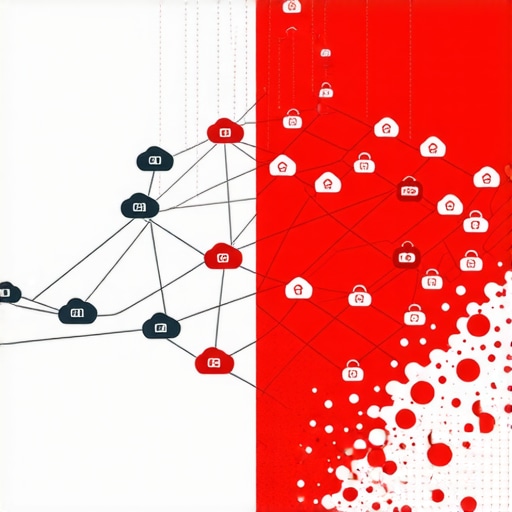
Think of authority stacking like building a complex legal brief. You need multiple high-authority witnesses all swearing to Google that your business is the absolute center of its niche. You cannot just rely on a website; you need a network of cloud-based assets that point back to your main entity. I have seen this change the game when we unlock local seo growth through effective backlink tactics. We aren’t just collecting links; we are building a fortress of relevance.  However, be careful with the implementation. I once saw a contractor try to DIY this and create a mess of broken redirects that actually lowered his ranking. That is the invisible mistake killing your cloud node authority stack for most people. The key is using the multi-cloud entity stack strategy for dominating local pins to ensure Google sees a clean, logical connection between every asset.
Hunt for the Neighborhood Links Your Competitors Ignore
Stop buying those $5 citation packs from random marketplaces. They are digital clutter that Google ignores. Instead, look for the ‘hidden’ links in your own backyard. I once spent three weeks chasing a link from a local neighborhood association’s ‘recommended vendors’ list. That one link did more for our map pin than 50 generic directory listings ever could. That is because how local citations from neighborhood blogs outrank paid industry lists is all about proximity and trust. If a neighborhood site links to you, Google views you as a local fixture, not just another business in the phone book. Your reviews also need to be more than just five-star ratings. They need to be contextual signals. When a customer mentions a specific service and a neighborhood name, Google’s algorithm treats it as a massive trust signal. I started teaching my clients to use the review request script that triples your google feedback because it guides customers to mention those key location-based keywords naturally. This creates a feedback loop where the reviews support the stack, and the stack supports the ranking.People often ask me if they should just buy every backlink they can find on a marketplace. My answer is always a hard no. In fact, most business owners are drowning in low-quality links that do nothing but clutter their profile and confuse the algorithm. Everyone tells you that ‘more is better,’ but in my experience, five high-authority nodes correctly sequenced will beat 500 random directory links every single time. This is why most local seo packages fail to move your map pin—they focus on volume instead of the specific architectural weight of the link. According to a detailed analysis by Backlinko, while the quantity of linking domains matters, for local entities, the thematic relevance and geographic proximity of those domains carry significantly more weight in the modern map pack.
The link building trap that kills your momentum
The biggest ‘oops’ I see is when someone builds a massive stack but points it all at a generic homepage that isn’t optimized for the specific neighborhood they want to win. You end up with a high-authority site that Google’s crawlers like, but the map algorithm doesn’t know where to place on a street level. This is where you need to elevate your local seo with advanced authority stacking tactics to ensure the ‘link juice’ flows directly to your geo-targeted service pages. If you just spray and pray, you’re essentially burning your marketing budget for zero ROI. I’ve seen businesses spend thousands on ‘authority’ only to realize they were building links to a page with a broken map embed. That’s one of the 4 cloud node errors stopping your local rank gains that I encounter almost weekly during audits.
Why doesn’t my high-DA link move the needle?
 It’s a common frustration. You get a mention on a big national news site, and your rankings don’t budge. Why? Because Google is looking for *proximity signals* for local search. A link from a national site is great for general domain authority, but it doesn’t prove you are the best plumber in East Austin. You need backlinks mastery boost your local seo authority in 2025 to understand how to blend that national power with hyper-local relevance. If the link doesn’t help Google ‘triangulate’ your physical location, it’s just background noise. This is why standard directory listings are failing your local rank tracking goals; they lack the specific geo-context required to dominate a truly competitive map pack. Have you ever fallen into this trap of chasing big numbers while your local rankings stayed flat? Let me know in the comments.
The day you stop tending to your authority stack is the day your competitors start their ascent. I’ve seen businesses climb to the top only to vanish because they thought SEO was a one-time setup. It’s more like keeping a vintage car running; you need the right tools and a regular schedule to ensure everything stays synchronized. Personally, I don’t go anywhere without a deep-dive audit tool that lets me peek behind the curtain. It’s how I find the 5 map seo tools we use to spot competitor weakness faster, allowing me to see exactly where a rival’s stack is crumbling before they even realize there is a problem. I rely heavily on manual verification for my cloud nodes because automated scrapers often miss the nuanced link-decay that happens on public storage buckets.
How can I keep my local rankings stable over the long haul?
Stability comes from diversity, not just volume. If your entire strategy is built on one cloud provider, you’re one policy update away from total invisibility. I’ve had to perform 3 crucial fixes for stacks that stopped moving your pin more times than I care to admit, and it almost always comes down to what I call ‘entity drift.’ This happens when Google stops associating your external backlinks with your physical office because the data signals have become too diluted or inconsistent over time. To fight this, I always implement the specific local schema tweak that validates your entity for google. It acts as a permanent anchor for your digital assets, ensuring the ‘juice’ always finds its way home.
When you’re finally ready to grow beyond your home base, you have to be incredibly careful. I’ve seen over-eager owners try to replicate their success in five new cities overnight, only to get their entire account flagged for suspicious activity. You need to know how to scale local map rankings without triggering a suspension. It’s about building a slow, methodical burn rather than a flash in the pan. According to the Google Patent ‘Ranking search results based on entity importance’ (US Patent 10,242,069), the relationship between entities—not just keywords—is becoming the primary driver of search. This means your future success depends on being a ‘recognized entity’ in your city, not just a profile with a lot of reviews.
The 2026 Map Shift is Coming Faster Than You Think
Looking ahead, I see a massive shift in how AI-driven results will prioritize verified local data over generic web content. What agencies wont tell you about the 2026 maps shift is that Google is moving toward a ‘zero-click’ environment where your authority stack does the selling before the user even hits your site. If you haven’t started building these layers of trust now, you’ll be invisible by next year. My advice? Take one afternoon this week and audit your primary cloud node. Look for broken links or outdated NAP info. It’s the small, boring maintenance tasks that actually keep the phone ringing. Go check your main entity stack right now—it’s the highest ROI hour you’ll spend this month.
The transition from tracking vanity metrics to measuring real-world phone calls is where most businesses either thrive or fold. It is a journey that requires patience, but the rewards are far more stable than any paid ad campaign could ever offer.
What I Learned While Rebuilding Dozens of Broken Map Strategies
Over the years, I have seen every shortcut in the book. If there is one thing I can tell you from the trenches, it is that Google’s memory is much longer than we think. Here are a few lightbulb moments that changed how I approach local growth:
- The Architecture Matters More Than the Volume: One perfectly sequenced cloud stack that mirrors your physical location’s data is worth more than a thousand random directory links. If you want to stay on top, you must master authority stacking for elevated local rankings by focusing on the logical connection between your assets.
- Stop Looking for the ‘Silver Bullet’ Link: There isn’t one. The ‘magic’ happens in the cumulative weight of your neighborhood mentions. I spent years looking for a single high-DA link to fix everything, only to realize that the local entity backlinks that actually push your map rank up are often the ones from local schools, charities, and hyper-local blogs.
- Cheap SEO is the Most Expensive Mistake You’ll Make: It sounds harsh, but I’ve spent more time cleaning up $299 SEO packages than I have building new ones. Understanding why low-cost local seo packages often damage your google maps presence will save you months of recovery time and thousands in lost revenue.
The Lean Toolkit I Use to Beat Massive Agencies
You don’t need a thousand-dollar software suite to dominate your local market. I keep my workflow simple and effective, focusing on tools that provide deep, actionable insights into entity health rather than just pretty graphs.
First, I rely on Local Falcon for my grid tracking. It is the only way to see how your map pin performs as you move street-by-street away from your office. Second, I always keep a copy of ‘Entity SEO’ by Dixon Jones on my desk; it is the definitive guide to how Google understands the relationship between things, not just strings. Finally, I use custom-built UTM spreadsheets to ensure every click is accounted for. This structured approach is central to any successful authority stacking strategies to dominate local search because it allows you to see exactly which node is actually driving the calls.
Step Out of the Dashboard and Into the Neighborhood
Building a dominant local presence isn’t about gaming a system; it’s about proving to a very sophisticated algorithm that you are the most relevant, trusted, and prominent choice for your neighbors. It takes a bit of grit to ignore the flashy green arrows in your dashboard and focus on the deep, architectural work of local seo authority stacking, but I promise you, the first time your phone rings because of a neighborhood link you built six months ago, it will all click into place. You have the map, the tools, and the strategy—now it’s time to go out there and claim your spot. Which part of your current local data is keeping you up at night? Let me know in the comments below.