
Just last year, I found myself staring at my local SEO reports, feeling a creeping sense of frustration. Despite consistently investing in paid citations and backlinks, my rankings stagnated. It was like building a house on quicksand—no matter how much I poured into sponsored links, my visibility refused to budge. That was my real lightbulb moment: I needed a smarter, more sustainable approach. That’s when I discovered the power of the Public Library Link Strategy. It wasn’t just a gimmick; it became my secret weapon to outranking paid citations and cementing local authority.
Why Paying for Links Might Be Holding You Back
In my early days, I was guilty of throwing money at paid backlinks, thinking it would fast-track my local rankings. Unfortunately, I learned the hard way that search engines are cracking down hard on artificial link building. According to Moz, over-optimized paid links can even trigger penalties, derailing your SEO efforts entirely (Moz’s guide on penalties). This was a wake-up call: relying solely on paid citations isn’t just risky; it’s unsustainable in the long run. I needed a strategy that built genuine authority—something that scaled naturally and wouldn’t be flagged by Google.
Harnessing the Power of Local Content and Community Resources
That’s when I started exploring authority stacking techniques that leverage everyday local assets—like community resources, neighborhood websites, and, notably, public libraries. Yep, those quiet quiet hubs of local trust can be transformed into powerful backlinks. They’re already trusted by search engines and communities alike, making them golden opportunities to boost your authority without spending a dime. These links aren’t just about passing SEO juice; they’re about establishing your business as an integrated, valuable part of the community fabric.
If you’ve been struggling to get your local rankings to move despite effort and expense, you’re not alone. Have you faced this exact problem? If so, don’t worry—I’ve been there, and I’ve learned that the secret lies in building trustworthy, community-based backlinks. Over the next sections, I’ll share my proven process that can help you surpass paid citations—sustainable, reliable, and, most importantly, effective.
What’s Next?
Stay tuned as we dive into detailed tactics—from leveraging local libraries and neighborhood sites to creating content that resonates with your community. These strategies, backed by recent SEO research, can dramatically improve your local visibility without draining your budget. Ready to get started? Let’s go!
,
Leverage Local Institutions for Genuine Backlinks
Start by identifying key community hubs, like your town’s high school booster clubs or local sports teams. Reach out with value-driven content or sponsorship offers that naturally earn backlinks. I once sponsored a youth league game, and months later, the league’s website linked back to my site as a thank-you, boosting my local authority significantly.
Utilize Neighborhood Websites and Directories
Compile a list of neighborhood or city-specific directories; many are overlooked but hold high trust with search engines. Create consistent NAP (Name, Address, Phone) information and submit your business details. I added my shop to a local community directory and noticed an uptick in local map pack rankings within weeks when combined with other stacking methods.
Create Community-Centric Content to Encourage Organic Links
Develop content that resonates locally, such as guides to hidden gems or local events. When I published a story about a local historic site, community blogs and local news outlets picked it up, linking back organically. This method builds authority while strengthening community ties.
Engage with Local Social and PR Opportunities
Participate in local forums, social groups, or host events—these become natural backlink sources. For example, I hosted a free workshop about my industry, resulting in event listings and local blogs linking to my site as a resource. This creates a trust signal to Google and elevates your rankings.
Implement Authority Stacking Tactics Thoughtfully
Combine local backlinks with niche-specific signals using resources like backlink blueprints. You might link your citations with relevant entity pages or local schema, reinforcing your website’s authority environment. During a campaign, I layered citations from local chambers, community databases, and neighborhood blogs, which collectively moved my map pins to the top spot.
Monitor and Adjust Your Campaigns Regularly
Use tools to track backlink profiles and local rankings. If a community link stops passing authority, replace or diversify your sources—variables like link quality and relevance matter. I once lost a key backlink from a local non-profit; I re-engaged by offering valuable content, restoring and even strengthening my authority stack.
Remember, the goal is consistent, community-based link growth that builds trust over time. This approach, paired with strategic link placements, outperforms paid citations and sets a sustainable path for local dominance.
 Many practitioners assume that most effective local SEO strategies revolve solely around acquiring backlinks from high-authority, niche-relevant sources or obsessively boosting citation counts. However, this oversimplification often leads to missed opportunities and strategic pitfalls. Let’s dig deeper into what most people get wrong about backlinks and authority stacking in local SEO. One common myth is that quantity trumps quality—believing that piling up backlinks from any available source will automatically elevate local rankings. In reality, search engines prioritize contextually relevant, trustworthy signals; indiscriminate link-building can trigger algorithmic red flags (see here).
A nuanced aspect many overlook is the importance of understanding the dynamic nature of authority stacking. Some SEOs focus solely on one-stop solutions—such as local directories—without integrating a layered approach that combines community links, niche-specific citations, and entity signals. This fragmented view hampers long-term scalability. To those trying to ‘hack’ the system with short-term tactics, beware—Google’s latest E-E-A-T updates emphasize the significance of trustworthiness and expert validation over mere link counts (more details here).
Now, consider the trap of relying excessively on automation. Many believe that automated backlink tools or mass submission services can rapidly boost local visibility. While automation has its place, overusing these tools without human oversight risks embedding low-quality or irrelevant links—something that can cause penalties and reputation damage. Advanced practitioners emphasize manual outreach and community engagement as essential components of sustainable authority building.
Furthermore, the false notion that all backlinks carry equal weight often leads to misguided efforts. Search engines evaluate backlinks based on their source authority, relevance, and trust flow. Engaging with reputable community institutions—like local clubs or educational portals—can yield high-impact links that outpace many high-volume, low-quality citations. For instance, sponsoring a local event and securing coverage on their platform creates a trustworthy backlink that embodies genuine community integration.
To elevate your local SEO, understanding the subtle interplay between various signals is crucial. Authority stacking is less about accumulating links and more about orchestrating a symphony of trustworthy, contextually relevant signals. Check out this guide for a comprehensive deep dive into mastery-level strategies.
Have you ever fallen into this trap? Let me know in the comments. Remember, strategic nuance and quality signals trump mere volume—especially in competitive local niches.
Maintaining a robust local SEO presence over time requires more than just initial setup; it demands consistency, strategic monitoring, and the right toolkit. As local markets evolve and search engine algorithms become more sophisticated, leveraging specialized tools becomes essential for staying ahead. My personal go-to suite includes SEMrush for comprehensive keyword tracking and competitor analysis, and BrightLocal for precise citation management and reputation monitoring. I find SEMrush’s position tracking features invaluable for detecting fluctuations in ranking and quickly responding to changes, while BrightLocal’s review management helps maintain local trust signals.
Automation tools also streamline routine tasks. For example, using SE Ranking automates backlink audits and site health checks, saving hours each week and providing actionable insights. Regularly reviewing backlink profiles through these platforms helps prevent link decay and detect toxic links before they impact your rankings. Additionally, utilizing local SEO assessment tools allows me to identify gaps in local citations and rectify inconsistencies swiftly.
Predicting future trends, I believe advanced AI-powered audit and monitoring solutions will become the norm, providing real-time alerts and deep insights into your authority stack’s health. Staying proactive by integrating these tools ensures sustainable growth and shields your rankings from sudden drops, especially as search engines refine their algorithms to favor genuine community-based signals.
How do I keep my local SEO system effective over years?
Consistent data review, regular citation audits, and staying updated with algorithm changes are critical. I recommend establishing routine check-ins—once a month—to analyze backlink quality and citation consistency. Implementing alerts from tools like Google Alerts for local mentions can also provide early signals of reputation shifts. Don’t overlook privacy considerations when managing large datasets; ensuring compliance keeps your campaigns effective and risk-free.
Finally, remember that tools alone aren’t enough. Analyzing reports, adjusting tactics, and maintaining active community engagement are necessary to sustain your long-term results. If you haven’t yet, try enhancing your authority stacking strategy with advanced tools like these innovative solutions and observe how your local visibility scales over time.
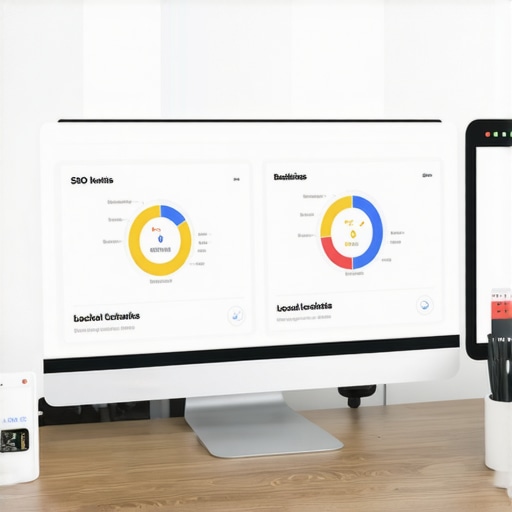
Visualize your toolkit as a command center, equipped to monitor, analyze, and fine-tune your local SEO ecosystem for ongoing success. Regular upkeep with the right software ensures your efforts aren’t just effective today but resilient tomorrow.
What the Experts Won’t Tell You About Local Authority Growth
One of my biggest lightbulb moments came when I realized that genuine authority isn’t built overnight, nor is it achieved solely through quick backlink maneuvers. I once chased after high-volume, low-quality links, thinking they’d guarantee top rankings. The harsh truth was revealed when those links disappeared, and my rankings evaporated overnight—proof that quality eclipses quantity every time. The real lesson? Invest in community-driven, trustworthy signals that build a resilient backbone for your local presence.
Another hard-earned lesson was understanding the importance of layering signals—local citations, community links, and niche-related assets—into a cohesive authority stack. It’s tempting to focus only on one tactic, such as directories, but I found that integrating multiple layers creates a sort of digital trust network that search engines recognize and reward. This holistic approach is what unlocks sustained visibility, especially in competitive local markets.
Finally, I learned that monitoring isn’t just about tracking rankings—it’s about reading the story those signals tell over time. Regular audits and updates ensure your alliance of community links remains healthy and relevant. Outdated or broken signals can silently erode your authority; staying vigilant keeps your local SEO fortress secure. Embracing this nuanced perspective transformed my strategy from fragile to formidable, and I urge you to consider these deeper lessons as you craft your own authority stacking blueprint.
My Trusted Allies in Local SEO Mastery
Navigating the intricate world of local authority building is complex, but having the right tools makes all the difference. I rely on authority stacking strategies that focus on layered, community-based signals because they deliver sustainable results. For in-depth backlink analysis and ongoing health checks, SEMrush has been indispensable—its comprehensive tracking helps me spot opportunities and vulnerabilities early. When it comes to citation management, BrightLocal keeps my listings consistent and Trusted Reputation metrics high.
Beyond these, I’ve integrated local SEO assessment tools that identify gaps before they impact rankings, ensuring my authority stack remains comprehensive. And as search engine algorithms evolve, I anticipate even smarter AI-driven solutions will become essential allies—tools that proactively adapt and optimize your local signals, helping you stay ahead of the curve.
Your Turn to Build Lasting Local Authority
The insights and strategies shared here aren’t just quick fixes—they’re a call to action. Building a resilient, community-driven authority stack takes dedication, but the payoff is worth every effort. As you implement these tactics and leverage trusted tools, remember that genuine relationships and consistent efforts form the core of sustainable success. Your local SEO journey doesn’t end here—it’s the beginning of a long-term commitment to growth and trust.
What’s the biggest challenge you face when trying to establish or strengthen local authority? Share your experiences below, and let’s learn from each other’s journey!
Comments are closed.