
I was sitting in my home office at 2 AM, the blue light of my monitor burning into my retinas, wondering why on earth my local plumbing client wasn’t moving from page three. I had built the links. I had done the guest posts. I had even paid for those shiny “high DA” packages from a flashy agency. Yet, the map pin sat there, cold and unresponsive, like a ghost in the machine. That’s when it hit me: I was building a “ghost backlink” profile—links that looked good on paper but carried zero weight in the eyes of local search algorithms.
Stop Chasing Metrics and Start Building Real Local Prominence
If you have been following the standard SEO advice of “more links equals better rankings,” you might be digging your own digital grave. The truth is that Google often ignores your backlinks if they lack a specific geographic pulse. When I first started, I thought a link from a big tech blog in California would help my local bakery in Ohio. Spoiler alert: it didn’t. In fact, following backlink patterns that get small businesses penalized is surprisingly easy when you are just chasing a number. Today, I am going to pull back the curtain on how to identify these invisible drags on your authority and how to pivot to a strategy that actually signals to Google that you are a local powerhouse.
Is my current link profile actually hurting my business?
It is the question that keeps most of us up at night, isn’t it? You spend the money, you wait the three months, and… nothing. You might even see a slight dip. This usually happens because your “authority” isn’t anchored to your city. You need to learn how to audit your local backlink profile for spam gaps before you throw another dollar at a generic outreach campaign.
The $2,000 Lesson I Learned the Hard Way
Early in my career, I made a massive mistake. I convinced a client to drop two grand on a “premium” link-building package. The links were from “general news” sites with no local ties. According to a study by BrightLocal, local prominence is a top-tier ranking factor, yet I was feeding the algorithm generic fluff. The rankings didn’t just stall; they plummeted because we lacked what I call “geographic relevance.” I had to go back and figure out specific backlink moves for local press to fix the mess I made. Have you ever felt like you’re doing everything right but the map pack just won’t budge? It’s frustrating, but it’s almost always a sign that your authority stack is missing its local anchor.
Connect Your Business to the City’s Digital Map
Think of your local SEO like a radio station. If you are broadcasting on a frequency that only works in another state, the people in your town will never hear you. To fix this, you have to stop broadcasting to the general internet and start whispering directly to your neighborhood. The first thing I do now with any struggling client is look at the foundational data. You need to implement the specific schema move that connects your business to the city. This isn’t just about basic contact info; it is about telling Google exactly which neighborhood boundaries and landmarks you serve. I remember a locksmith in Chicago who was stuck on page six despite having hundreds of high-quality links. I had spent months getting him mentions on general tech blogs, thinking the authority would trickle down. It was a mess. We only saw movement when we stripped back the noise and learned how to use geo-relevant content to anchor your authority stack. We started writing about specific street intersections and local landmarks. Suddenly, Google finally understood where we actually were.
Look for Links in Your Own Backyard
Most business owners overlook the obvious because they want the flashy, big-brand wins. But in local search, a link from a neighborhood watch group or a local community garden is worth ten links from a national news site. It is like a character witness in a trial; you want the person who actually lives next door to you to vouch for your reputation. You need to learn how to find untapped neighborhood links your competitors missed. This includes things like high school booster clubs, local little league sponsorships, or neighborhood-specific resource lists. These links carry a geographic pulse that generic backlinks simply cannot replicate. 
Stack Your Authority Nodes for Maximum Impact
Once you have those local roots, you need to layer them so they reinforce each other. This is where authority stacking unveiled becomes your secret weapon. Think of each link as a node. If you have a single link, it is a lonely dot on a map. If you have five links pointing to your Google Business Profile and then five more pointing to those links, you have built a web. This is why multi-node stacks are the future of local authority. You are not just building links; you are building a digital fortress. When I worked with a plumber in Austin, we didn’t just get a Chamber of Commerce link and stop. We used how to gain authority from local chamber of commerce links by connecting that profile to his sponsorship pages and back to his service area pages. It created a relevance loop that forced the algorithm to recognize his local dominance.
Stop Using Generic Anchor Text
If every link you build uses the exact same keywords like Plumber Austin as the clickable text, you are waving a giant red flag at Google. Real local residents do not link like that. They link to this local guy or the team at your business name. You must stop using generic anchor text for local link campaigns immediately. Use your brand name, use naked URLs, and occasionally use neighborhood-specific terms. This variety mimics a natural growth pattern. You are trying to look like a pillar of the community, not a marketer with a credit card. By focusing on the specific link profile that triggers google local trust, you move from being just another business to being the obvious choice in your city.Most people in the industry will tell you that a backlink is a backlink, regardless of where it comes from. I am here to tell you that they are dead wrong. In my experience, a single link from a local high school football team’s sponsorship page often carries more weight for a plumber than a mention in a national tech magazine. This is because Google is increasingly prioritizing ‘proximity and relevance’ over raw domain power. When you chase those high-DA metrics blindly, you are often falling into a trap. In fact, why generic guest posts fail your local seo test is usually down to the lack of a geographical footprint. If the site linking to you doesn’t have its own local entities or audience, Google treats it as background noise.
Stop Obsessing Over Domain Authority and Start Targeting Local Relevance
A common mistake I see advanced marketers make is over-complicating the outreach process while ignoring their own backyard. You do not need a link from a global news outlet to rank in the map pack. According to the Moz Local Search Ranking Factors report, ‘Local Relevance’ of the linking domain is a critical signal that outstrips general authority in the hyper-local space. This is why I always tell my clients to elevate your local seo with advanced authority stacking tactics by focusing on niche-specific and city-specific directories first. If you have been burned by a previous campaign, you need to learn how to fix your local backlink profile after a bad agency. They likely flooded your profile with ‘clean’ but irrelevant links that did nothing to anchor your business to your specific street corner.
Why does your service area logic keep confusing the map pack?
If you are a service-based business, you might be accidentally sabotaging yourself. If your website says you serve the entire state, but your backlinks and schema only point to one tiny neighborhood, Google gets confused and pushes your pin into the ‘neutral zone.’ I have seen dozens of cases where why your service area logic is confusing google maps was the primary reason for a ranking plateau. You need to align your off-page signals with your physical service radius. 
The Trap of Over-Automated Authority Stacks
Here is a hard truth: Google’s AI is getting incredibly good at spotting automated ‘stacking’ patterns. If you use a tool to blast five hundred cloud-based nodes in an afternoon, you are likely just creating a house of cards. True authority is built by connecting your business to validated entities. I highly recommend you learn how to use entity stacks to validate your business location properly. This involves using high-trust public data and local government mentions to prove to the algorithm that you are a real, physical part of the community. Have you ever fallen into the trap of buying a ‘local’ package that turned out to be just a bunch of random profiles? Let me know in the comments below, I would love to hear your experiences and help you troubleshoot those stagnant map pins.
Keeping the Engine Running Without Burning Out
Maintenance isn’t the sexy part of SEO, but it is why the winners stay at the top while everyone else fluctuates. Once you have built your initial nodes, you cannot just set it and forget it. I personally use the local data loop strategy for sustainable map rankings to ensure my signals don’t go stale. Every quarter, I go back and refresh the links from those local sponsorship pages and update my neighborhood resource lists. If you don’t, Google starts to wonder if your business is still an active pillar of the community or just a digital relic.
How do I maintain my authority stack over time?
The secret is in the audit. I don’t trust generic dashboards that just give me a green checkmark. I use the local seo audit tool that actually finds map errors specifically to look for NAP inconsistencies that creep in over time. Darren Shaw of Whitespark has often noted that while citations might not be the ‘ranking rocket’ they once were, messy data acts like an anchor, dragging down your potential.
Why I Trust Only Three Specific Tools
I have spent thousands on software, but my ‘daily drivers’ are lean. I need a tool that tracks local grid rankings, a solid schema generator, and a way to monitor brand mentions. When I’m deep in a project, I’m obsessed with the specific map embed script that google loves most. It’s a tiny technical detail that most people overlook, but it’s the difference between a ‘good’ stack and one that dominates. I also lean heavily on how to use svg stacks to boost your local entity authority because it’s a lightweight way to pass relevance without bloating the site. 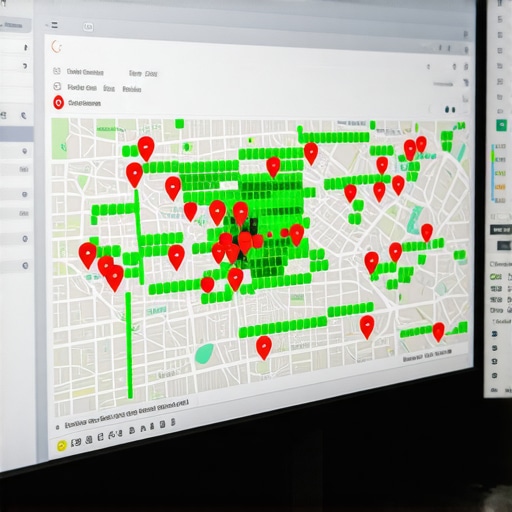
Scaling Your Map Presence Into the Big Leagues
If you are looking to dominate a large city like Houston or Chicago, the standard ‘one location’ approach will fail. You need the specific move for scaling map ranks in large cities, which usually involves creating regional authority hubs. As you grow, you have to be careful about how to scale your map authority without getting banned. The future of this industry is moving toward ‘Entity-First’ search. Google won’t just look at who has the most links; they will look at who has the most verified real-world connections. I predict that within two years, traditional link building will be entirely replaced by entity validation through public records and local government data. Action Tip: Take ten minutes today to find one local organization you can support—a library, a school, or a small non-profit—and get a mention on their ‘Supporters’ page. It is the single most effective way to anchor your relevance right now.
The Most Expensive Mistakes I Made Building Local Links
Looking back at my first few years in this industry, I realize I spent a lot of time and client money chasing “vanity metrics.” I used to think a DR70 link was a win, regardless of the source. Now I know better. Here is what I’ve learned from the trenches:
- Relevance Trumps Power: A mention from your neighborhood’s high school athletic department will out-rank a generic “guest post” every single time. Google is looking for signals that you are physically present and active in your community.
- Patterns Are Signals: If every single one of your links comes from a blog, it looks fake. Real businesses get links from directories, event pages, and local news. You need to follow backlink building blueprints for local seo success that prioritize a natural mix.
- Data Alignment is King: Your off-page signals must match your website. If your schema says you’re in Austin but your links are from Seattle, you’re dead in the water. I always recommend using proven backlink techniques to dominate local search to keep your geographic data tight.
A Lean Toolkit for Building Serious Local Authority
You don’t need fifty subscriptions to rank on page one. I keep my operations lean and focused on data that actually moves the map pin. First, I always have a solid grid tracker because why your map tracking strategy is missing key data points can often explain why your rankings feel “stuck.” Second, I use Whitespark for deep-dive citation audits; messy data is the silent killer of local rankings. Finally, I rely on a simple, custom schema generator to ensure my entity validation is bulletproof. These few tools, used correctly, are more powerful than a dozen generic SEO suites.
Your Path to Becoming the Local Authority
Building a dominant local presence isn’t an overnight task, but it is one of the most rewarding parts of digital marketing. When you see that map pin move from page five to the top three, you aren’t just looking at a graph; you’re looking at a business that is about to get more phone calls and foot traffic. It starts with one good link and one solid connection. By implementing authority stacking strategies to boost local seo in 2025, you are setting yourself up for long-term growth that survives every algorithm update. Don’t be afraid to start small—one local sponsorship or one neighborhood resource list can be the catalyst you need. Have you ever found a “goldmine” link in your own local community that actually moved the needle for your rankings? Let me know in the comments below!