
I remember the sinking feeling in my gut when I saw my local shop dropped to page four, replaced by a franchise headquartered three states away. I had spent thousands on high-DR guest posts that were totally irrelevant to my actual street address, thinking I could out-authority a billion-dollar brand. I was wrong. It wasn’t until I started looking at the local neighborhood watch newsletter—a site with a domain authority of exactly 12—that things changed. That one link did more for my map pin than a dozen generic tech blogs ever did. Today, I’m going to show you how to find these hidden gems that the big guys don’t even know exist. We are going to dive into the neighborhood links that act as a secret handshake with Google’s algorithm.
The Day I Stopped Chasing National Authority and Started Winning My Street
For a long time, I believed the lie that bigger is better in the world of SEO. I was so focused on getting featured on big industry sites that I completely ignored the reason my profile was stuck in the first place: I lacked local relevance. I made the classic mistake of buying premium backlink packages that were essentially digital paperweights for a local business. The turning point came when I helped a friend with his HVAC business and we realized that stealing map traffic from chains was easier than we thought, provided we stopped acting like a chain ourselves.
Are these tiny neighborhood links actually worth the effort?
I get the skepticism. You might think a link from a local library or a neighborhood association won’t move the needle compared to a Forbes mention. But here is the reality: Google uses different signals for the Map Pack than it does for global organic search. According to data analyzed by Whitespark, local relevance signals are increasingly critical for ranking in the top three. Have you ever felt like you’re doing everything right but your map pin just won’t budge? You aren’t alone.
Why Huge Franchises Are Actually at a Disadvantage
National brands have a weakness: they are rigid. Their SEO teams usually manage thousands of locations from a centralized office, meaning they can’t pivot to get a link from your specific community center or the local high school’s booster club. They rely on scalable tactics, and neighborhood networking is the opposite of scalable. When you leverage invisible neighborhood backlinks, you are building a wall around your territory that corporate giants can’t climb. I once saw how a single address format tweak fixed a frozen map pin when combined with these hyper-local signals. We aren’t just building links; we are proving to Google that we belong exactly where we say we are.
How to Hunt for Hyper-Local Vouchers Instead of Vanity Metrics
The secret is to stop looking for SEO opportunities and start looking for community needs. Think of a neighborhood link like a vouch from a respected local elder; it carries a weight that no ‘guest post’ from a stranger ever could. I start by identifying where the community actually hangs out online. This isn’t usually on Reddit or Facebook, but on older websites for neighborhood associations, local charities, or specific niche resource pages. When you find these, you’re tapping into 5 neighborhood resource links that beat big brand citations every single time.
Digging into the Neighborhood Resource Goldmine
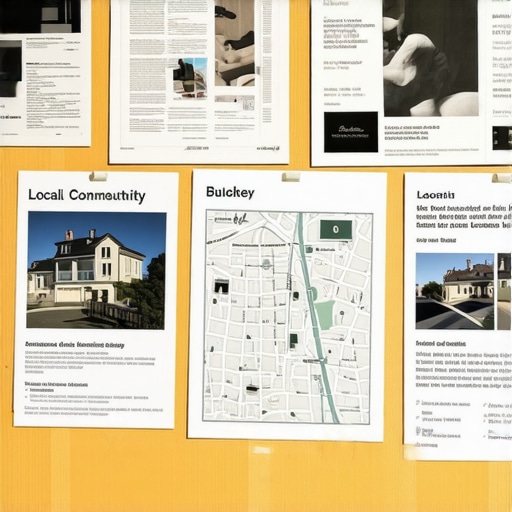
Start your search by looking for local ‘useful links’ pages. I once helped a local plumber who was completely invisible in an upscale suburb. He was desperate. We didn’t buy a single expensive backlink. Instead, we spent $250 to sponsor a ‘Little League’ team. The link from the town’s athletic association site—essentially a simple list of sponsors—pushed his map pin into the top three within six weeks. I had to call the coach three times to get the URL corrected, but the effort paid off. You can find similar spots by using 7 local resource pages for high power backlinks without paying agency fees that your competitors are too lazy to find.
Why High School Booster Clubs Are Your New Best Friend
National chains can’t easily sponsor a high school drama club in every city they operate in—it’s a logistical nightmare for them. For you, it’s a 20-minute email. Google sees a link from a .org or .edu domain associated with your specific zip code and immediately validates your location. This is why high school booster club links beat standard citations for map ranks. These links act as a geographical anchor, pinning your business to a specific neighborhood with high-trust signals that corporate teams can’t replicate.
Connect the Dots with Smart Authority Stacking
Getting the link is only half the battle. To truly move the needle, you have to connect these local mentions to your existing digital assets. This is where the authority stacking move that actually forces local rank gains comes into play. By linking your new neighborhood association mention to your Google Business Profile and your main location page, you create a feedback loop of relevance. Using authority stacking strategies to boost local seo in 2025 involves weaving these hyper-local threads into a dense web of proof that Google simply cannot ignore. It’s about building a digital neighborhood where all roads lead back to your shop.
Let’s dig deeper. Most SEO experts will tell you that the most important factor for any link is niche relevance. If you are a plumber, they say you need links from other home improvement sites. While that is great for global rankings, it is a common myth that often fails in the local area. In my experience, geographical relevance is the real kingmaker for the Map Pack. A link from a local pizza shop’s ‘neighborhood friends’ page is often more valuable for your local authority than a generic guest post on a massive DIY blog that has no physical tie to your city. This is why backlinks mastery in 2025 is about dominating your zip code, not just your industry.
The industry relevance myth that kills local rankings
I’ve seen business owners spend thousands of dollars on high-authority industry links only to stay stuck at the bottom of the maps. Why? Because Google’s local algorithm is looking for ‘proximity proof.’ When you only build industry links, you are telling Google what you do, but you aren’t proving where you do it. To truly move the needle, you need to master backlink building blueprints for local SEO success that prioritize local entities. I call this the ‘Local Vouch’ system. If the local chamber, a nearby charity, and the neighborhood blog all point to you, Google’s confidence in your physical location skyrockets.
Avoid the ghost backlink trap before it sinks your maps
Here is a specific warning: many people fall into the trap of building ‘ghost backlinks.’ These are links that look good on paper but never get indexed or, worse, are completely disconnected from your Google Business Profile entity. If your link profile doesn’t sync with your NAP (Name, Address, Phone) data, you are creating a contradiction. I’ve seen cases where an address format tweak fixed a frozen map pin because it finally aligned the business’s offline reality with its online mentions. If your links point to a slightly different version of your address than your GBP listing, you’re basically whispering to Google instead of shouting. You can solve this by looking for 4 ghost backlink fixes to save your competitive rankings before they become a permanent anchor on your progress.
Can you rank on the map without a single high-DA link?
The short answer is yes. Experts like Joy Hawkins from Sterling Sky have frequently noted that proximity and local signals often outweigh traditional domain authority in local results. The nuance here is the ‘Authority Stack.’ Instead of one big link, you want a series of interconnected signals that prove your entity exists in a specific spot. If you aren’t careful, you might make the invisible mistake killing your cloud node authority stack, which is failing to link these local mentions back to your primary map pin. When you do it right, you create a trust signal fix that actually drives more calls because your business feels like a permanent fixture of the community. Have you ever fallen into the trap of buying high-DA links that did nothing for your local ranking? Let me know in the comments. If you’re looking for a safer way to scale, consider the strategic move to scale local map rankings without triggering a suspension.
The Maintenance Game Is Where the Real Profit Lives
Getting to the top of the map pack is a rush, but staying there is a marathon. I’ve seen too many business owners treat local SEO like a ‘set it and forget it’ project, only to wake up three months later wondering why their phone stopped ringing. Maintenance isn’t just about checking a box; it’s about defending your territory from aggressive newcomers. I personally rely on a very specific set of 5 map SEO tools to keep an eye on things. I don’t care about national rank; I care about the local grid. If I see a red dot appearing two miles north of my shop, I know a competitor is moving in on my turf, and it’s time to double down on my neighborhood signals.
How do I maintain my local rankings over the long haul?
The secret is a monthly ‘Entity Audit.’ Every thirty days, I check my top neighborhood links to ensure they haven’t gone dark. Local sites—like a neighborhood association or a small charity—are notorious for redesigning their websites and accidentally breaking your hard-earned links. If you don’t catch these, you lose that ‘geographical anchor’ we worked so hard to build. I also keep a close eye on backlink optimization tips for local SEO authority to ensure that as my business grows, my digital footprint grows with it. You have to treat your link profile like a living garden; you have to weed out the ‘ghost’ links and water the ones that are actually driving traffic.
The Gear and Software That Actually Move the Needle
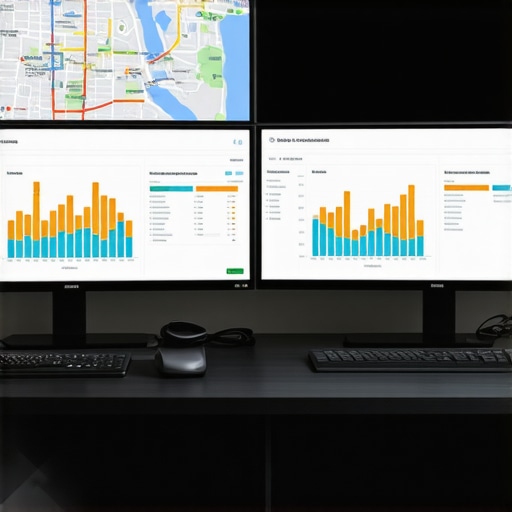
I’m often asked what I use to keep everything organized. While many people love expensive enterprise suites, I find that for local work, you need something more surgical. I use BrightLocal specifically for their citation tracker because it catches the tiny inconsistencies that standard trackers miss. Why does this matter? Because a single address format tweak can be the difference between Google trusting your location or questioning it. I also heavily use GMB Everywhere to peek at which categories my competitors are using. This is the only way to spot the gaps in your competitors’ local search presence before they even realize they have a problem.
Where Local Search Is Heading in 2026 and Beyond
If you think the current algorithm is strict, wait until you see what’s coming. I predict that Google will lean even more heavily into ‘Real-World Validation.’ We are already seeing this in patents like Google’s US9563666B2, which focuses on the ‘Quality of Location Data’ through various entity signals. In the future, a digital link won’t be enough; Google will want to see that your business is actually mentioned in local ‘real-world’ contexts, like local news or community event calendars. This makes authority stacking strategies to boost local SEO in 2025 even more critical. We are moving toward an era where ‘faking it’ is impossible, and ‘being there’ is the only way to rank. I’ve started implementing the strategic move to scale local map rankings by focusing on these high-trust, physical-world signals now, so my clients are future-proofed.
You need to stop looking at SEO as a technical hurdle and start seeing it as community building. When you master backlink building blueprints for local SEO success, you aren’t just gaming a system; you are weaving your business into the fabric of your city. This is how you build a lead machine that doesn’t break when the next algorithm update rolls out. My challenge to you: Go into your Google Business Profile today and find one neighborhood-level link you’ve ignored—maybe a local blog or a niche directory—and reach out to them. One real local vouch is worth more than a thousand generic comments. If you’re feeling stuck, you can always contact us to see how we can help you bridge the gap.
The Local Relevance Shift Most Agencies Miss
Looking back at my early mistakes, the biggest lightbulb moment was realizing that Google doesn’t care about a high-DR link from a generic tech site when you’re trying to rank a plumber in a specific zip code. It’s about geographical proximity, not just industry relevance. I’ve learned that a link from your local library or a neighborhood association acts as a permanent anchor for your map pin. You should focus on backlink optimization tips for local SEO authority that prioritize the street address over the niche. Another hard truth is that your NAP consistency is the silent killer. I’ve seen a single address format tweak revive a dead map pin because it finally aligned the business entity with its digital mentions. Don’t ignore the tiny links; they are the secret handshake that national franchises can’t replicate.
#IMAGE_PLACEHOLDER_E#
My Personal Kit for Neighborhood SEO Dominance
I don’t use a massive stack of expensive enterprise software. Instead, I rely on a few surgical tools that help me find gaps in my territory. First, BrightLocal is my go-to for ensuring citations are clean and matching my GBP data. Second, GMB Everywhere is indispensable for spotting the categories that competitors are using to hide in plain sight. Third, I always keep the latest backlink building blueprints for local SEO success handy to ensure my team isn’t falling into the ‘vanity metric’ trap of chasing global DA. These tools are the reason I can find local opportunities in 20 minutes that take most agencies weeks to identify.
Take Your Street Back from the Corporate Giants
You have a massive advantage that billion-dollar brands don’t: you are actually a member of the community. You can walk into the local high school booster club or call the neighborhood watch organizer directly. By embracing authority stacking strategies to boost local SEO in 2025, you are building a digital wall around your service area that no franchise budget can knock down. This is how you achieve true backlinks mastery and ensure your business stays at the top of the map pack long after the next algorithm update rolls through. Don’t wait for the competition to catch on—start claiming your neighborhood today. If you need help mapping out your local strategy, feel free to contact us for a deep dive into your specific area. Have you ever tried getting a link from a local organization only to be ignored? Let me know your biggest hurdle in the comments below!